
Emergency Services
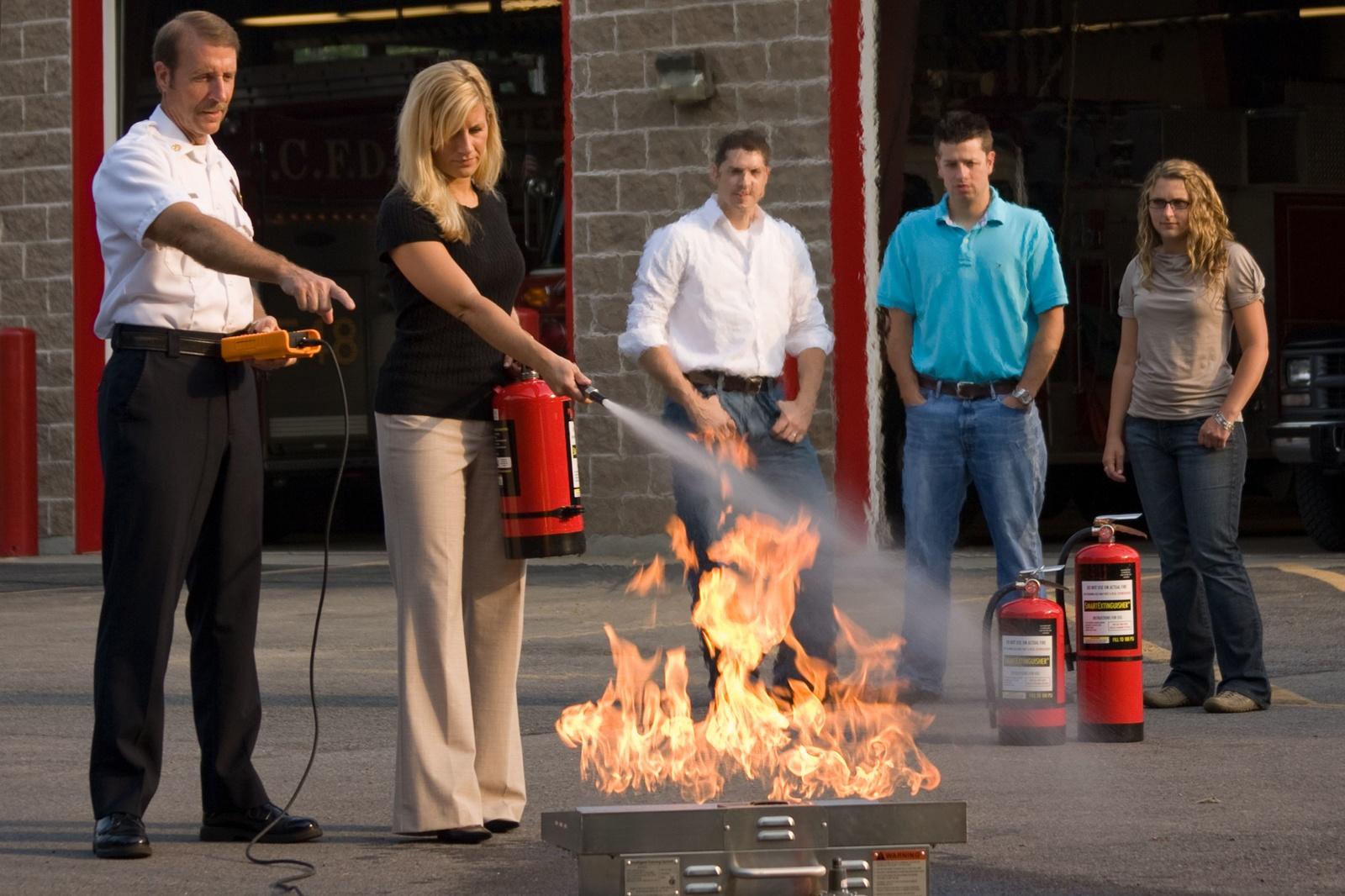
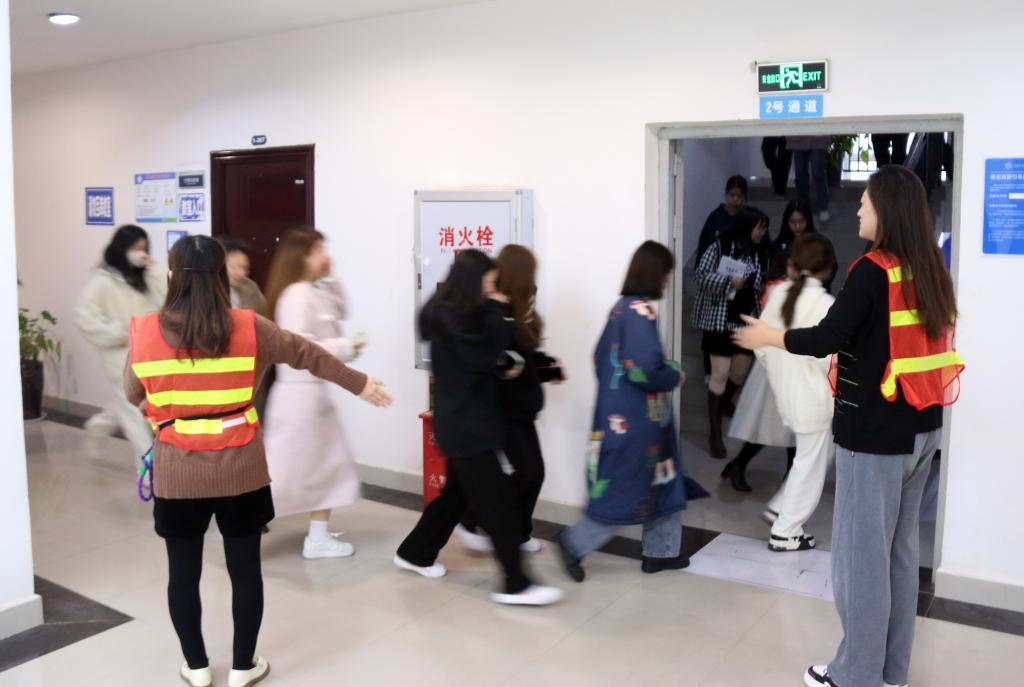
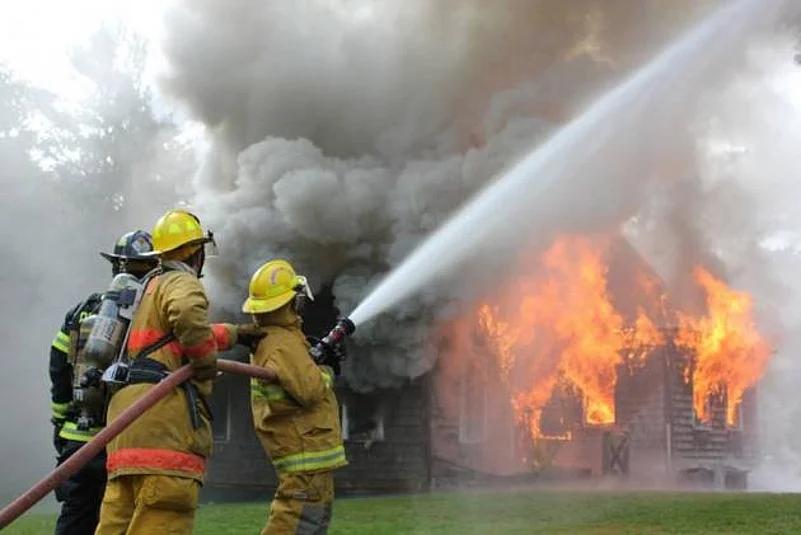
- Fire safety
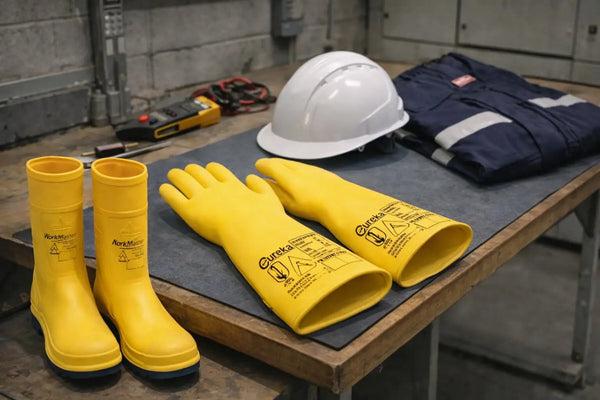
- Electricity Safety
- Road Safety
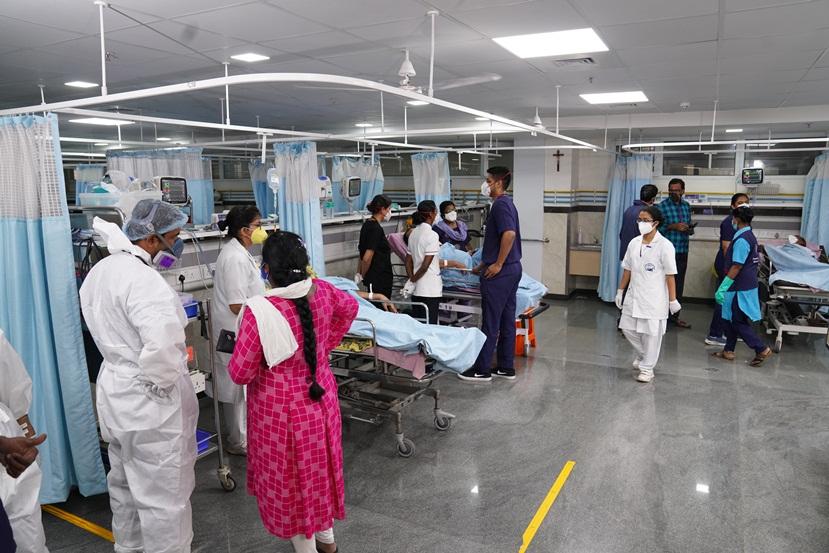

- Medical Safety
Emergency Police Services
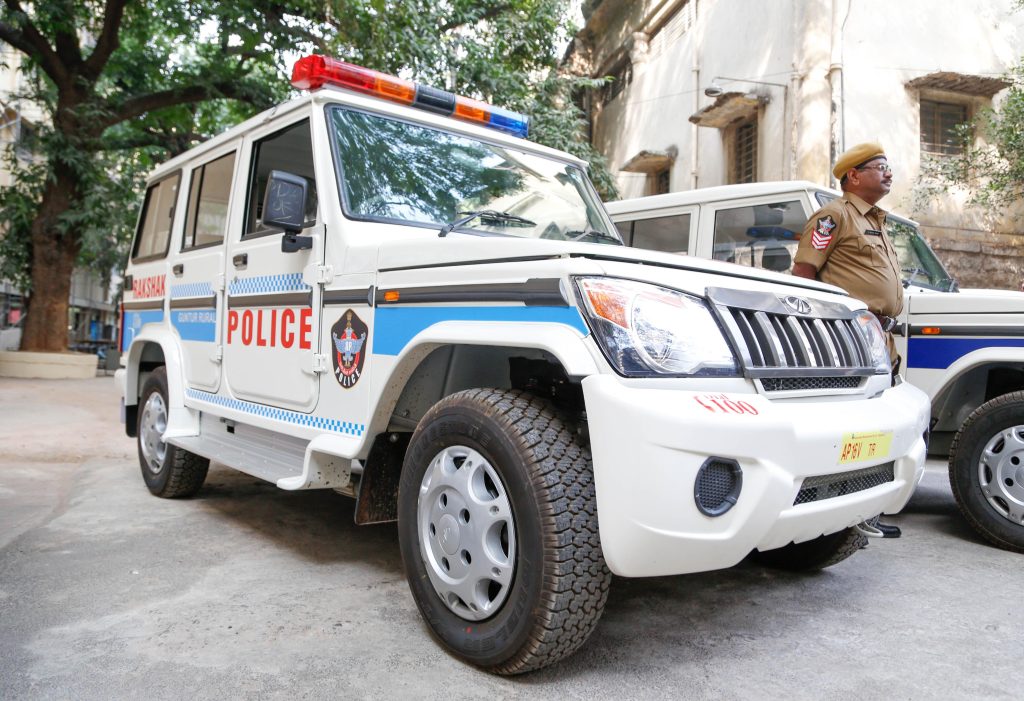
Police Emergency – 100
- 🚔 Police Emergency: Call 100 for immediate police assistance.
- 🚨 Crime & Theft: Report theft, robbery, burglary, or criminal activity.
- 🆘 Violence & Assault: Seek police help in cases of assault, violence, or threats.
- 🚗 Road Accidents: Contact the police during serious road accidents or traffic emergencies.
- 👤 Missing Persons: Report missing children or adults.
- 🛡️ Safety Threats: Contact the police if you face an immediate threat to your safety.
- ⚠️ Public Disturbances: Report fights, riots, or dangerous public situations.
- 🏠 Domestic Violence: Seek immediate police assistance in serious domestic violence situations.
- 📞 Other Emergencies: Call the police whenever urgent assistance is required to protect life or property.
Women Emergency Helpline
Women Helpline – 181
- 👩 Women Safety Assistance – Get help when facing threats, harassment, or unsafe situations.
- 🏠 Domestic Violence – Seek support in cases of physical, emotional, or domestic abuse.
- 🚨 Emergency Support – Contact the helpline when immediate assistance is required.
- 📞 Harassment Complaints – Report serious harassment or unwanted behavior.
- 🛡️ Protection & Guidance – Receive information about available support and protection services.
- 👧 Child & Girl Safety – Seek appropriate assistance for girls and young women facing danger or abuse.
- ⚖️ Legal Support – Get guidance regarding available legal and support services.
- 🤝 Counselling & Support – Access appropriate counselling and assistance when facing difficult circumstances.
- 📍 Rescue & Referral Assistance – Women in distress can be connected with relevant support services.
- 📞 Women Helpline Number: 181 – Call for assistance and support.
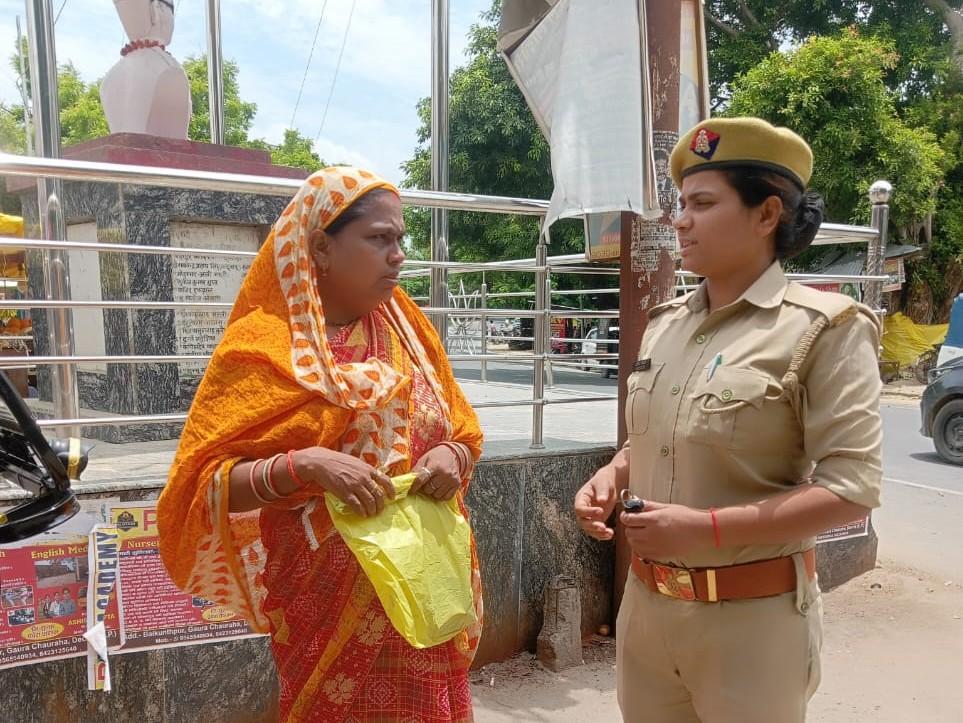
Disaster Management
Do’s
- Stay updated with official weather alerts and flood warnings.
- Keep an emergency kit ready with food, drinking water, medicines, a flashlight, and batteries.
- Move important documents and valuables to higher places.
- Switch off electricity and gas before leaving your home, if it is safe to do so.
- Evacuate immediately when instructed by local authorities.
- Use safe routes and designated evacuation shelters.
- Keep emergency contact numbers readily available.
- Drink only clean or boiled water after a flood.
- Follow instructions from the District Administration and Disaster Management authorities.
- Help elderly people, children, and persons with disabilities during evacuation.
Don’ts
- Do not walk or drive through flooded roads or flowing water.
- Do not touch electrical wires, switches, or appliances when standing in water.
- Do not drink floodwater or use contaminated water.
- Do not ignore evacuation orders or official warnings.
- Do not enter damaged buildings until authorities confirm they are safe.
- Do not allow children to play near floodwater, drains, canals, or rivers.
- Do not spread or share unverified information about the flood.
- Do not return to your home until authorities declare the area safe.
Do’s
- Stay informed through official weather forecasts and cyclone warnings.
- Prepare an emergency kit with food, drinking water, medicines, flashlight, batteries, and important documents.
- Secure doors, windows, roofs, and loose outdoor objects before the cyclone arrives.
- Keep mobile phones fully charged and keep power banks ready.
- Stay indoors in a safe room, away from windows and glass doors.
- Follow evacuation instructions issued by local authorities.
- Keep emergency contact numbers easily accessible.
- Listen to updates from the District Administration and Disaster Management authorities.
- Switch off electricity and gas if advised to evacuate.
- Help elderly people, children, and persons with disabilities during emergencies.
Don’ts
- Do not ignore official cyclone warnings or evacuation orders.
- Do not go outside during the cyclone unless instructed by authorities.
- Do not stand near windows, glass doors, trees, or weak structures.
- Do not touch fallen electrical wires or damaged electrical equipment.
- Do not travel through flooded or waterlogged roads.
- Do not use candles or open flames near leaking LPG or gas.
- Do not spread unverified information or rumours.
- Do not return to evacuated areas until authorities declare them safe.
Do’s
- Stay indoors or in a cool, well-ventilated place during the hottest hours.
- Drink plenty of water regularly, even if you do not feel thirsty.
- Wear lightweight, loose-fitting, light-coloured cotton clothing.
- Use an umbrella, hat, or scarf when going outdoors.
- Avoid strenuous physical activity during peak afternoon hours.
- Keep ORS or other appropriate rehydration fluids available.
- Check on elderly people, children, and people who may be more vulnerable to heat.
- Keep your home cool by closing curtains or blinds during the hottest part of the day.
- Follow official heatwave alerts and instructions from local authorities.
Don’ts
- Do not stay in direct sunlight for long periods.
- Do not leave children, elderly people, or pets inside parked vehicles.
- Do not consume excessive alcohol or caffeinated drinks during extreme heat.
- Do not undertake heavy outdoor work during peak heat hours.
- Do not ignore symptoms such as dizziness, severe headache, weakness, confusion, or fainting.
- Do not wear heavy or tight clothing in extreme heat.
- Do not wait for severe thirst before drinking water.
- Do not ignore official heatwave warnings or health advisories.
Do’s
- Stay calm and protect yourself immediately.
- Drop, Cover, and Hold On during the shaking.
- Take shelter under a sturdy table or desk and protect your head and neck.
- Stay away from windows, glass, shelves, and heavy objects that may fall.
- If you are outdoors, move to an open area away from buildings, trees, poles, and power lines.
- If you are driving, stop in a safe location and remain inside the vehicle.
- After the shaking stops, check for injuries and provide assistance if it is safe.
- Follow official instructions and evacuation orders from local authorities.
- Keep an emergency kit with water, food, medicines, flashlight, batteries, and important documents.
Don’ts
- Do not panic or rush toward exits while the ground is shaking.
- Do not use elevators during or immediately after an earthquake.
- Do not stand near windows, balconies, or unstable structures.
- Do not run outside while the building is shaking.
- Do not touch fallen electrical wires or damaged electrical equipment.
- Do not enter damaged buildings until authorities confirm they are safe.
- Do not use matches or open flames if there is a possibility of a gas leak.
- Do not spread unverified information or ignore official safety instructions.
Do’s
- Stay alert during heavy or continuous rainfall.
- Follow official landslide warnings and evacuation instructions.
- Move to a safe, stable area away from steep slopes and cliffs.
- Keep an emergency kit with water, food, medicines, a flashlight, and important documents.
- Report cracks in the ground, walls, roads, or unusual movement of soil to local authorities.
- Keep drains and water channels clear to prevent water accumulation.
- Help children, elderly people, and persons with disabilities evacuate safely.
- Stay informed through official weather and disaster-management updates.
Don’ts
- Do not stay near steep slopes during heavy rainfall.
- Do not enter areas where a landslide has recently occurred.
- Do not cross roads covered by mud, rocks, or flowing water.
- Do not stand near unstable trees, rocks, walls, or structures.
- Do not ignore cracks, falling rocks, or unusual ground movement.
- Do not attempt to clear a landslide area without proper safety support.
- Do not return to an evacuated area until authorities declare it safe.
- Do not spread unverified information or rumours.
Do’s
- Use water carefully and avoid unnecessary wastage.
- Repair leaking taps, pipes, and water tanks immediately.
- Store water safely for essential household needs.
- Use water-efficient methods for gardening and agriculture.
- Prefer drought-resistant crops and plants where suitable.
- Reuse water for gardening and other appropriate household purposes.
- Follow water-use restrictions and conservation instructions from local authorities.
- Protect and maintain ponds, lakes, tanks, and other local water sources.
- Encourage rainwater harvesting and groundwater recharge.
- Help elderly people, children, and vulnerable persons during extreme heat and water shortages.
Don’ts
- Do not waste water by leaving taps running.
- Do not use drinking water unnecessarily for washing vehicles or other non-essential activities.
- Do not ignore leaking water pipelines or storage tanks.
- Do not over-irrigate agricultural fields or gardens.
- Do not contaminate ponds, lakes, wells, or other water sources.
- Do not ignore official drought and water-conservation advisories.
- Do not pump or extract groundwater excessively.
- Do not spread unverified information about water availability or shortages.